Annex · SOR4D
Logframe
Impact, outcomes, outputs and indicators of the ARTS project, updated year after year.
Goal (Impact)
Contribute to the transition towards a more sustainable and just food system in Senegal
At the outset, agroecology in Senegal was gaining traction but remained fragmented, lacking coordination and political weight. ARTS shifted agroecology from the plot to the territorial level, embedding it in systems linking actors, governance, natural resources and socioecological justice. The project did not create the territorial dynamics it worked with (such as the Bignona DyTAEL) but made them more effective, structured and visible. ARTS does not claim direct attribution over food security, but a contribution to the territorial conditions that make the transition more visible, coordinated and actionable. Its durability now depends on the autonomy of the DyTAELs and on whether national policy supports long-term transformation.
impact.food-insecurity
Reduced food insecurity
Verification: National statistics (ANSD) and FAO/SISMAR food security barometers.
impact.atfs-replication
ReachedAdoption and replication of the ATFS approach
Territorial hypothesis confirmed: Bignona and Mbour operational, documented replication (Rufisque opened its own instance of the open-source tool), institutional legacy via CREATES. National hypothesis only partially confirmed: no ATFS vision formalised nationally within the timeframe.
Verification: Documents on new ATSF initiatives, DyTAEL Somone established.
Assumptions · risks - Political stability and peace in the target areas.
Outcome 1
Context-relevant pathways toward sustainable agri-food systems are co-designed based on an improved understanding of ATFS
Turn an improved understanding of enablers and spoilers into practical tools for ATFS transformation. ARTS delivered a tested methodological package combining spatial analysis, participatory inquiry, artistic methods and platform deliberation. Diagnostics, the actor database and the ATFS framework are already used as working tools by the territorial platforms and partners (CIRAD, the Joint Research Centre, PRATAM); the ATFS reading now structures how the DyTAELs interpret their own transition pathways. Validation through peer-reviewed publications remains ongoing.
Outcome indicators
outcome-1.publications
PartialScientific and non-scientific publications enhancing the understanding of ATFS transition
2 articles and 1 book chapter published, 2 non-academic articles, several substantial drafts (ATFS framework applied to the 2 living labs, land and gender, evaluation of arts-based experiments); 15 scientific presentations. Peer-reviewed pipeline still ongoing.
Verification: List of publications, press references, academic citations.
outcome-1.living-lab-lessons
ExceededATFS living lab lessons learned included in scientists', practitioners' and public agents' discourses
Diagnostics, actor database and ATFS framework taken up as working tools by the platforms and by CIRAD, the Joint Research Centre and PRATAM; the ATFS reading now structures the DyTAELs’ pathways. 15 scientific and policy presentations in Senegal, Switzerland and internationally.
Verification: Presentations in conferences, media, policy documents.
Output 1.1 Territorial diagnosis in 2 living labs
▸
Two complementary diagnostics. In Bignona the work consolidated an already active platform: mapping structured by the 7 ATFS dimensions, multistakeholder workshops, in-depth interviews, transect walks, video documentation. Under IPAR’s lead a diagnostic report was presented to the DyTAEL, extended by an April 2026 study on horticultural price formation. In Mbour a younger platform had to be diagnosed and structured, under intense demographic, land and coastal pressure. Methods were combined: initiative mapping, literature review, creatively facilitated workshops (forum theatre, visioning, scenario building), an artistic reading (Serge Boulaz, Odia), spatial analyses of large-scale concessions. The result is published as a technical report and an open-source geoportal. The GIUB team, with the Joint Research Centre, also completed a historical analysis of agricultural policies in Senegal.
1.1.maps-report
ReachedLand use maps and diagnostic reports
1 interactive open-access geoportal (Mbour diagnostic), 1 participatory map (Thiafoura living lab), 2 territorial diagnostic reports.
Verification: Copies of maps and GIS data, diagnostic report.
1.1.governance-report
ExceededTerritorial governance analysis report
2 territorial diagnostic reports including governance analysis alongside the 6 other dimensions of the ATFS framework.
Verification: Published report, presentation to DyTAEL.
Output 1.2 Comprehensive inventory of actors and initiatives
▸
A database for both pilot areas: geolocation, photographs and more than 30 variables per initiative (actor type, activities, agroecological practices, challenges, needs). 106 documented initiatives, well above the target of 50. The first version (Survey123 / ArcGIS Online) relied on commercial licences and Unibe infrastructure, impossible to hand over. ARTS therefore developed, with support from Bey Diiwaan, a fully open-source system (Leaflet portal, data and user management backend, mobile field-collection app), connected to the global Agroecology Map database and nationally aggregable for the DyTAES. Presented at the National Agroecology Days, already taken up by Rufisque.
1.2.initiatives
ExceededAgroecological initiatives documented in the database
106 documented and mapped initiatives, 2 interactive mapping platforms. Open-source inventory system developed and taken up by a new territory (Rufisque).
Verification: Digital copy of the database.
Output 1.3 ATFS framework including actionable transformative pathways
▸
Systemic framework of 7 interdependent dimensions (productive base, work organization, livelihoods, resource tenure systems, value chains, territorial governance, sociocultural factors). Sketched at kick-off, refined through internal work, tested in the diagnostic phase, it now structures data collection and analysis. An achieved methodological output: developed, presented and tested. Its peer-reviewed publication, applying the framework to the two living labs, is among the manuscripts still in preparation.
1.3.framework-article
PartialScientific article presenting the ATFS framework
Framework developed, presented and tested (methodological output achieved). Scientific article applied to the two living labs not yet published, in preparation.
Verification: Article published in peer-reviewed journal.
Output 1.4 Development options and scenarios co-developed and assessed through scientific modeling and creative tools
▸
Three complementary approaches: IPAR territorial foresight (Bignona, workshops, scenarios to 2045); transformative scenario-building in Mbour ("Vision Mission" process, creative facilitation); participatory forum theatre (co-written plays, video captures) supported by photography and documentary video. The scenario target is met (1 Bignona foresight + 1 Mbour scenario-building) and the artistic strand far exceeds expectations.
1.4.scenarios
ReachedForesight scenarios developed
1 territorial foresight report (Bignona), 1 transformative scenario report (Mbour). Level of achievement: as planned.
Verification: Bignona 2045 foresight report + Mbour transformative scenario-building.
1.4.theatre-forums
ExceededForum theatre plays produced
4 theatre forums (target: 2): 5 co-written plays performed and recorded, 10 plays captured on video, plus participatory photography and video documentation.
Verification: Video captures of theatre forums.
1.4.videos
ExceededVideos produced linked to scenarios and theatre
13 videos produced (target: 2), linked to scenarios, forum theatre and territory documentation.
Verification: YouTube links, AgroVoices studio archive.
Assumptions · risks - Willingness of actors to collaborate and experiment with new approaches.
Outcome 2
Increased synergies and effectiveness of collective action and territorial governance mechanisms in ATFS
Achieved most clearly at territorial level: consolidating an existing DyTAEL dynamic in Bignona and helping start and structure a new one in Mbour. A strong territorial achievement with partial national uptake, supported by roadmaps, advocacy strategies, public dialogues and digital tools. Roadmap implementation has begun but remains uneven; consolidation is carried forward through the consortium’s continuing commitment beyond the project.
Outcome indicators
outcome-2.new-norms
ReachedNew norms and ATFS collective action plan elaborated with the participation of women, youth and minority groups, adopted in support of ATFS initiatives
2 DyTAEL roadmaps and advocacy strategies co-constructed with women, youth and minority groups, from a shared reading of challenges and levers. Implementation begun but still uneven.
Verification: DyTAEL statutes, strategic roadmaps.
outcome-2.actors-engaged
ExceededCivil society, private and public actors jointly engaged in support of ATFS initiatives
2 DyTAELs (each > 20 organisations), RACINES network, LED, CREATES, Nitidae. Over 600 direct participants mobilised; a Departmental Development Committee in Mbour gathered 250 participants (Feb. 2026).
Verification: Reports and participant lists.
Output 2.1 Joint ATFS vision negotiated through deliberative platforms at national (DyTAES) and municipal (DyTAEL) levels
▸
At territorial level the target was exceeded: 10 deliberative workshops (against 5 planned) - the ARTS launch, the Bignona and Mbour DyTAEL structuring workshops, the Bignona foresight process, the Mbour transformative scenario-building, and consolidation dialogues with local authorities. Final period: a Departmental Development Committee in Mbour (250 participants, Feb. 2026), a three-day structuring workshop (~100, March 2026), a departmental dialogue in Bignona (April 2026). Nationally, the project contributed to debate and positioning (National Caravan, DyTAES, national strategy, 2 sessions at the CID/JAES forum) rather than a formally negotiated vision.
2.1.events
ExceededEvents organized through deliberative platforms
10 deliberative workshops in total (target: 5). Level of achievement: beyond expectation.
Verification: Workshop reports, photos, attendance lists.
Output 2.2 Action plans co-designed based on joint vision and transformative pathways
▸
Target met: 1 territorial foresight report and 2 DyTAEL roadmaps. In Bignona, the foresight produced scenarios and a plan around 4 strategic levers; the roadmap was updated and an advocacy strategy co-constructed (July 2025 workshop: peasant seed bank, rehabilitation of the Affiniam dam, agrosylvopastoral and fisheries land-use planning, storage infrastructure). In Mbour, the 'Vision Mission' process and transformative scenario-building produced the roadmap (territorial governance, land and water management, short value chains, resource protection, inclusion of women and youth). The challenge remains making the roadmaps more precise and strategic. Continuity secured via Bey Diiwaan; use extended beyond the DyTAELs (Mbour intervillage committee).
2.2.action-plans
ExceededAction plans validated by living labs
1 territorial foresight report + 2 DyTAEL roadmaps (Bignona, Mbour). Level of achievement: beyond expectation.
Verification: Copies of action plans.
Output 2.3 Open access online knowledge platform
▸
Initial target: 1 platform with 300 unique users. The different components of the ARTS website reached over 10,000 unique users. The platform brings together the bilingual ARTS website, the open-source atlas and geoportal, the YouTube channel, the Facebook page, interactive reports, videos and maps (Mbour diagnostic, Bignona 2045 foresight, Bignona initiatives report). Atlas and geoportal presented at the CID/JAES forum (April 2026). Content is being migrated to the CREATES website for sustainability, including an interactive version of the final report: arts.creates.ngo
2.3.users
ExceededUnique users of the online platform
Over 10,000 unique users (target: 300): ARTS project website (1500) + photo competition website (7681), plus atlas, geoportal, interactive reports and videos.
Verification: Platform URL, usage statistics.
Assumptions · risks - Willingness of actors to collaborate around a common goal; DyTAES continues to be an inclusive space for deliberation.
Outcome 3
Awareness and perception of agroecology have improved among consumers, media, producers and government agencies
One of the most distinctive contributions of ARTS. The project moved agroecology beyond technical and policy circles through theatre, music, film, photography, public events and digital platforms, while supporting the DyTAELs’ advocacy. Scientific publications progressed more slowly than planned, but the knowledge and communication ecosystem expanded substantially. The clearest change in policy influence is territorial: the DyTAELs gained recognition in departmental policy spaces; nationally, the project shaped debate (National Caravan, IPAR and ENDA leadership in the national strategy and the LOASPH) rather than producing a formally attributable decision.
Output 3.1 Joint advocacy strategy
▸
Advocacy was treated as emerging from research, deliberation and field engagement. Target met via 2 DyTAEL-level advocacy strategies: in Bignona, co-constructed from the territorial foresight; in Mbour, from the structuring of the DyTAEL Mbour-Petite Cote. The advocacy chain is now clearer: diagnostics and foresight generate territorial evidence, DyTAEL workshops turn it into priorities, departmental dialogues and media coverage make it visible. Continuity ensured post-project through Bey Diiwaan.
3.1.advocacy-strategy
ExceededDyTAES advocacy strategy co-developed
Output refocused on the DyTAELs (instead of DyTAES): 2 strategies developed (Bignona, Mbour). Level of achievement: modified.
Verification: Copies of strategy documents.
Output 3.2 Contributions to scientific debates on ATFS
▸
The target of 10 events was exceeded: 15 presentations in Senegal, Switzerland and other international spaces. A distinct strand developed around feminist and decolonial epistemologies, and around the use of theatre and creative methods as research tools. It was carried in four venues: a geography-gender colloquium in Abidjan, the PACTE laboratory in Grenoble, a creative-methods seminar in Geneva, and a plural-knowledges panel at the Swiss African Research Days in Bern. The target of 5 peer-reviewed works is not yet met: 2 articles and 1 book chapter published, 2 non-academic articles, several substantial drafts (ATFS framework, land and gender, evaluation of arts-based experiments). Publication will continue after the funded period.
3.2.articles
PartialArticles published in peer-reviewed journals
2 articles and 1 book chapter published; 1 draft article on forum theatre, 1 on land and gender, 2 articles in non-academic magazines. Below the target of 5, but draft finalisation expected in the coming months, offset by the non-academic publications.
Verification: Copies of articles.
3.2.presentations
ExceededParticipations in academic events
15 presentations at academic and policy events (target: 10), in Senegal, Switzerland and internationally, including a strand on feminist and decolonial epistemologies and creative methods. Level of achievement: beyond expectation.
Verification: Registration certificates, conference programs.
Output 3.3 Artistic communication products
▸
The project far exceeded the targets: documentary videos, portraits, theatre recordings, event summaries, long interviews, a photo competition, music videos, podcast material, artistic retreats and public interventions. A three-day retreat in each living lab brought together artists, researchers and territorial actors. The music strand became particularly visible: three videos reached approximately 12,000, 14,000 and 150,000 views. Other outputs: the national photo competition Les Gardiennes du Vivant, Dak'Art Biennale activities, forum theatre in Bignona and Mbour, the Mlomp women's theatre initiative, Guelewar capsules, the cashew reportage, a compilation video launched at the Casa Urban Festival (~800 people). At least 20 media publications, coverage by 5 national TV channels, 1 one-hour broadcast. A permanent multimedia studio is now operational in Senegal. The AgroVoices project (GIUB, funded by SNF Agora, facilitated by CREATES) raises the creative and technical standard of future outputs.
3.3.report-article
PartialReport + academic article on co-creative communication tools
1 draft report on the forum theatre experience, 1 draft article. Below the target, finalisation expected in the coming months.
Verification: Copies of report and article.
3.3.videos
ExceededVideos co-produced with engaged ATFS actors
13 videos (target: 3): 2 documentaries, 3 Jambaars portraits, 1 ARTS presentation, 3 forum theatre captures, 4 event summaries, 4 long-format interviews.
Verification: YouTube links.
3.3.songs
ExceededOriginal songs produced
4 music videos (target: 2). Three reached approximately 12,000, 14,000 and 150,000 views; a compilation video was launched at the Casa Urban Festival in Ziguinchor.
Verification: Audio links, social media references.
3.3.podcasts
PartialPodcasts produced
Final ARTS tally: 1 podcast (target: 3). The permanent multimedia studio remains operational for recording; the AgroVoices series now belongs to the separate SNF Agora project.
Verification: Listening links.
3.3.forum-theatre
ExceededForum theatre performances produced with video capture
4 forum theatre performances (target: 3) in Bignona and Mbour, with video capture; documentary on the Kaddu Yaraax forum theatre festival.
Verification: Forum theatre reports and captures.
Assumptions · risks - Mainstream media interest in sustainable agriculture, particularly during elections.
Cross-references
Productions per output
Each output points to the concrete deliverables that materialised it: videos, publications, field events.
Outcome 1
Context-relevant pathways toward sustainable agri-food systems are co-designed based on an improved understanding of ATFS
Output 1.1
Territorial diagnosis in 2 living labs
Two complementary diagnostics. In Bignona the work consolidated an already active platform: mapping structured by the 7 ATFS dimensions, multistakeholder workshops, in-depth interviews, transect walks, video documentation. Under IPAR’s lead a diagnostic report was presented to the DyTAEL, extended by an April 2026 study on horticultural price formation. In Mbour a younger platform had to be diagnosed and structured, under intense demographic, land and coastal pressure. Methods were combined: initiative mapping, literature review, creatively facilitated workshops (forum theatre, visioning, scenario building), an artistic reading (Serge Boulaz, Odia), spatial analyses of large-scale concessions. The result is published as a technical report and an open-source geoportal. The GIUB team, with the Joint Research Centre, also completed a historical analysis of agricultural policies in Senegal.
Read · 1 publication
On the ground · 3 events
Field studySeptember 2025· Bignona
Field study - Women's access to land in Bignona
Field studyFebruary 2024· Bignona
Field studyDecember 2023· Bignona
ARTS exploratory surveys in Bignona
Output 1.2
Comprehensive inventory of actors and initiatives
A database for both pilot areas: geolocation, photographs and more than 30 variables per initiative (actor type, activities, agroecological practices, challenges, needs). 106 documented initiatives, well above the target of 50. The first version (Survey123 / ArcGIS Online) relied on commercial licences and Unibe infrastructure, impossible to hand over. ARTS therefore developed, with support from Bey Diiwaan, a fully open-source system (Leaflet portal, data and user management backend, mobile field-collection app), connected to the global Agroecology Map database and nationally aggregable for the DyTAES. Presented at the National Agroecology Days, already taken up by Rufisque.
Read · 1 publication
On the ground · 3 events
Field studySeptember 2025· Bignona
Field study - Women's access to land in Bignona
Field studyFebruary 2024· Bignona
Field studyDecember 2023· Bignona
ARTS exploratory surveys in Bignona
Output 1.3
ATFS framework including actionable transformative pathways
Systemic framework of 7 interdependent dimensions (productive base, work organization, livelihoods, resource tenure systems, value chains, territorial governance, sociocultural factors). Sketched at kick-off, refined through internal work, tested in the diagnostic phase, it now structures data collection and analysis. An achieved methodological output: developed, presented and tested. Its peer-reviewed publication, applying the framework to the two living labs, is among the manuscripts still in preparation.
Read · 1 publication
Catalog · February 2024
Output 1.4
Development options and scenarios co-developed and assessed through scientific modeling and creative tools
Three complementary approaches: IPAR territorial foresight (Bignona, workshops, scenarios to 2045); transformative scenario-building in Mbour ("Vision Mission" process, creative facilitation); participatory forum theatre (co-written plays, video captures) supported by photography and documentary video. The scenario target is met (1 Bignona foresight + 1 Mbour scenario-building) and the artistic strand far exceeds expectations.
Watch · 5 videos
 14:10Forum theatreA play in the making - When the Bignona DyTAEL forges its voice through forum theatre
 18:57Forum theatreKaddu Yaraax report
 6:20ForesightRestitution and validation of the foresight study on the food systems of Bignona
 4:14ForesightBignona Horizon 2045 - A foresight on food systems with the DyTAEL delivers its first results
 5:21WorkshopForesight and co-creation workshop at the Bignona DyTAEL
Read · 2 publications
Report · May 2025
Report · April 2025
Agroecology on stage - Proceedings of the Mbour transformative scenario workshop
On the ground · 4 events
Workshop17-20 February 2025· Mbour
WorkshopJanuary 2025· Bignona
WorkshopOctober 2024· Bignona
WorkshopJune 2024· Bignona
Outcome 2
Increased synergies and effectiveness of collective action and territorial governance mechanisms in ATFS
Output 2.1
Joint ATFS vision negotiated through deliberative platforms at national (DyTAES) and municipal (DyTAEL) levels
At territorial level the target was exceeded: 10 deliberative workshops (against 5 planned) - the ARTS launch, the Bignona and Mbour DyTAEL structuring workshops, the Bignona foresight process, the Mbour transformative scenario-building, and consolidation dialogues with local authorities. Final period: a Departmental Development Committee in Mbour (250 participants, Feb. 2026), a three-day structuring workshop (~100, March 2026), a departmental dialogue in Bignona (April 2026). Nationally, the project contributed to debate and positioning (National Caravan, DyTAES, national strategy, 2 sessions at the CID/JAES forum) rather than a formally negotiated vision.
Watch · 4 videos
6:20ForesightRestitution and validation of the foresight study on the food systems of Bignona4:14ForesightBignona Horizon 2045 - A foresight on food systems with the DyTAEL delivers its first results5:21WorkshopForesight and co-creation workshop at the Bignona DyTAEL 5:47WorkshopBignona: the DyTAEL structures itself and traces its roadmap toward an agroecological transition
Read · 1 publication
Report · May 2025
On the ground · 6 events
Workshop24-26 March 2026· Mbour
Mbour Petite Côte DyTAEL structuring workshop
Workshop10 February 2026· Mbour
Departmental Development Committee with Mbour Petite Côte DyTAEL
Workshop14 March 2024· Mbour
Mbour DyTAEL launch workshop
WorkshopDecember 2023· Bignona
ARTS project launch in Bignona
Output 2.2
Action plans co-designed based on joint vision and transformative pathways
Target met: 1 territorial foresight report and 2 DyTAEL roadmaps. In Bignona, the foresight produced scenarios and a plan around 4 strategic levers; the roadmap was updated and an advocacy strategy co-constructed (July 2025 workshop: peasant seed bank, rehabilitation of the Affiniam dam, agrosylvopastoral and fisheries land-use planning, storage infrastructure). In Mbour, the 'Vision Mission' process and transformative scenario-building produced the roadmap (territorial governance, land and water management, short value chains, resource protection, inclusion of women and youth). The challenge remains making the roadmaps more precise and strategic. Continuity secured via Bey Diiwaan; use extended beyond the DyTAELs (Mbour intervillage committee).
Watch · 1 video
On the ground · 10 events
Workshop24-26 March 2026· Mbour
Mbour Petite Côte DyTAEL structuring workshop
Workshop10 February 2026· Mbour
Departmental Development Committee with Mbour Petite Côte DyTAEL
Workshop17-20 February 2025· Mbour
WorkshopJanuary 2025· Bignona
Output 2.3
Open access online knowledge platform
Initial target: 1 platform with 300 unique users. The different components of the ARTS website reached over 10,000 unique users. The platform brings together the bilingual ARTS website, the open-source atlas and geoportal, the YouTube channel, the Facebook page, interactive reports, videos and maps (Mbour diagnostic, Bignona 2045 foresight, Bignona initiatives report). Atlas and geoportal presented at the CID/JAES forum (April 2026). Content is being migrated to the CREATES website for sustainability, including an interactive version of the final report: arts.creates.ngo
Outcome 3
Awareness and perception of agroecology have improved among consumers, media, producers and government agencies
Output 3.1
Joint advocacy strategy
Advocacy was treated as emerging from research, deliberation and field engagement. Target met via 2 DyTAEL-level advocacy strategies: in Bignona, co-constructed from the territorial foresight; in Mbour, from the structuring of the DyTAEL Mbour-Petite Cote. The advocacy chain is now clearer: diagnostics and foresight generate territorial evidence, DyTAEL workshops turn it into priorities, departmental dialogues and media coverage make it visible. Continuity ensured post-project through Bey Diiwaan.
Read · 2 publications
Report · August 2025
Workshop on co-building an advocacy strategy and artistic residency - Bignona/Baïla
Article · 2025
Civil society in Senegal spearheads policy for agroecology
On the ground · 4 events
Workshop16 April 2026· Bignona
Departmental Development Committee - Bignona
Residency9-12 March 2026· Mbour
Artistic residency with artists from the Mbour department
Workshop18-19 July 2025· Bignona
Residency21-23 July 2025· Bignona
Output 3.2
Contributions to scientific debates on ATFS
The target of 10 events was exceeded: 15 presentations in Senegal, Switzerland and other international spaces. A distinct strand developed around feminist and decolonial epistemologies, and around the use of theatre and creative methods as research tools. It was carried in four venues: a geography-gender colloquium in Abidjan, the PACTE laboratory in Grenoble, a creative-methods seminar in Geneva, and a plural-knowledges panel at the Swiss African Research Days in Bern. The target of 5 peer-reviewed works is not yet met: 2 articles and 1 book chapter published, 2 non-academic articles, several substantial drafts (ATFS framework, land and gender, evaluation of arts-based experiments). Publication will continue after the funded period.
Read · 4 publications
Article · 2026
Orchestrating agroecological transitions - emerging perspectives
Article · 2025
Civil society in Senegal spearheads policy for agroecology
Article · 2024
Agroecology on stage - bridging theatre and geography methods
Op-ed · 2024
Agroecology and food systems - Grain de Sel no. 86
On the ground · 10 events
ConferenceApril 2026· National
CID / JAES participation - Dakar
Conference25 November 2024· National
Dak'Art Biennale - Roundtable "A feminist agroecology in action?"
Conference3-4 October 2024· International
Lausanne Agroecology Day - Territorialised food systems
Talk1 October 2024· International
Midi de Justice Sociale - PACTE Grenoble
Output 3.3
Artistic communication products
The project far exceeded the targets: documentary videos, portraits, theatre recordings, event summaries, long interviews, a photo competition, music videos, podcast material, artistic retreats and public interventions. A three-day retreat in each living lab brought together artists, researchers and territorial actors. The music strand became particularly visible: three videos reached approximately 12,000, 14,000 and 150,000 views. Other outputs: the national photo competition Les Gardiennes du Vivant, Dak'Art Biennale activities, forum theatre in Bignona and Mbour, the Mlomp women's theatre initiative, Guelewar capsules, the cashew reportage, a compilation video launched at the Casa Urban Festival (~800 people). At least 20 media publications, coverage by 5 national TV channels, 1 one-hour broadcast. A permanent multimedia studio is now operational in Senegal. The AgroVoices project (GIUB, funded by SNF Agora, facilitated by CREATES) raises the creative and technical standard of future outputs.
Watch · 13 videos
14:10Forum theatreA play in the making - When the Bignona DyTAEL forges its voice through forum theatre18:57Forum theatreKaddu Yaraax report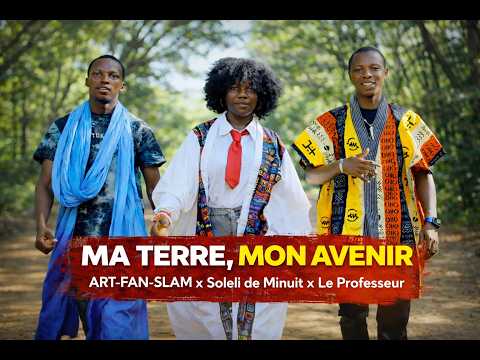 3:11Forum theatreMy Land, My Future - Engaged slam (ART-FAN-SLAM × Soleil de Minuit & Professeur)
 5:01JambaarsJambaars of Agroecology #1 - Lucie Ndeky
 4:58JambaarsJambaars of Agroecology #2
 11:19DocumentaryArtistic residency - Baïla, Casamance
 12:22DocumentaryReport: cashew in Casamance and its challenges
 3:37CapsuleThe "From pen to voice" workshops: freeing young girls' expression
 4:42PhotographyDak'Art 2024 - ARTS marks the YAAY DUND exhibition | highlights
 2:30Photography"Guardians of the Living" photo contest
 -SongSEM BAY - The strength of Casamance agriculture (Leuz Diwane G)
 -SongWAT GAAL YËGOO - The Earth's cry (Leuz Diwane G & Collective)
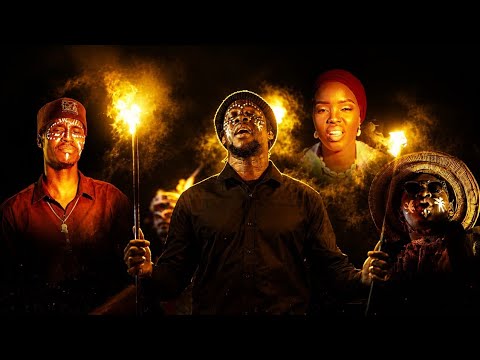 4:05SongSUNU ALAAM SUNU KOOM - Our environment, our heritage (Leuz Diwane G, Yvon-Fy, Kéba, L'Enfant du Soleil)
Read · 4 publications
Report · August 2025
Workshop on co-building an advocacy strategy and artistic residency - Bignona/Baïla
Report · April 2025
Agroecology on stage - Proceedings of the Mbour transformative scenario workshop
Article · 2024
Agroecology on stage - bridging theatre and geography methods
Catalog · February 2024
On the ground · 9 events
Cultural event11 April 2026· Bignona
Casa Urban Festival - Ziguinchor
Residency9-12 March 2026· Mbour
Artistic residency with artists from the Mbour department
Residency21-23 July 2025· Bignona
Workshop17-20 February 2025· Mbour
SOR4D tables
Engagement and scaling indicators
Final beneficiaries
Number of final beneficiaries reached by the solutions developed, segregated by gender.
| 2023-24 | 2024-25 | 2025-26 | |
|---|---|---|---|
| Total | - | 359 | - |
| Male | - | 265 | - |
| Female | - | 94 | - |
Researchers and practitioners involved
Segregated by gender and region (North/South).
| 2023-24 | 2024-25 | 2025-26 | |
|---|---|---|---|
| Researchers | |||
| Male | - | 4 | - |
| Female | - | 4 | - |
| North | - | 3 | - |
| South | - | 5 | - |
| Practitioners | |||
| Male | - | 6 | - |
| Female | - | 3 | - |
| North | - | 1 | - |
| South | - | 8 | - |
Findings/solutions validated by users/beneficiaries
- 2023-24 -
- 2024-25 1 territorial foresight, 1 scenario-building, 3 theatre forums, 2 interactive maps, 2 territorial diagnostics
- 2025-26 1 territorial foresight, 1 scenario, 3 theatre forums, 2 interactive maps, 2 territorial diagnostics
Scaling and collaborations
Organisations engaged for scaling, products considered, new collaborations, spin-offs.
| 2023-24 | 2024-25 | 2025-26 | |
|---|---|---|---|
| Organisations engaged in scaling | - | - | - |
| Products presented for scaling / replication | - | - | 4 |
| New institutional collaborations | - | - | - |
| Spin-offs · follow-up projects | - | 3 | 3 |