92%
Marketing
Most widely invested in: large markets, on-farm sales, address books, cooperatives, local shops.
Bignona department · July 2024
Thirty-eight initiatives surveyed across thirteen communes: who leads them, on which links of the value chain, with what motivations, what impacts and what obstacles.
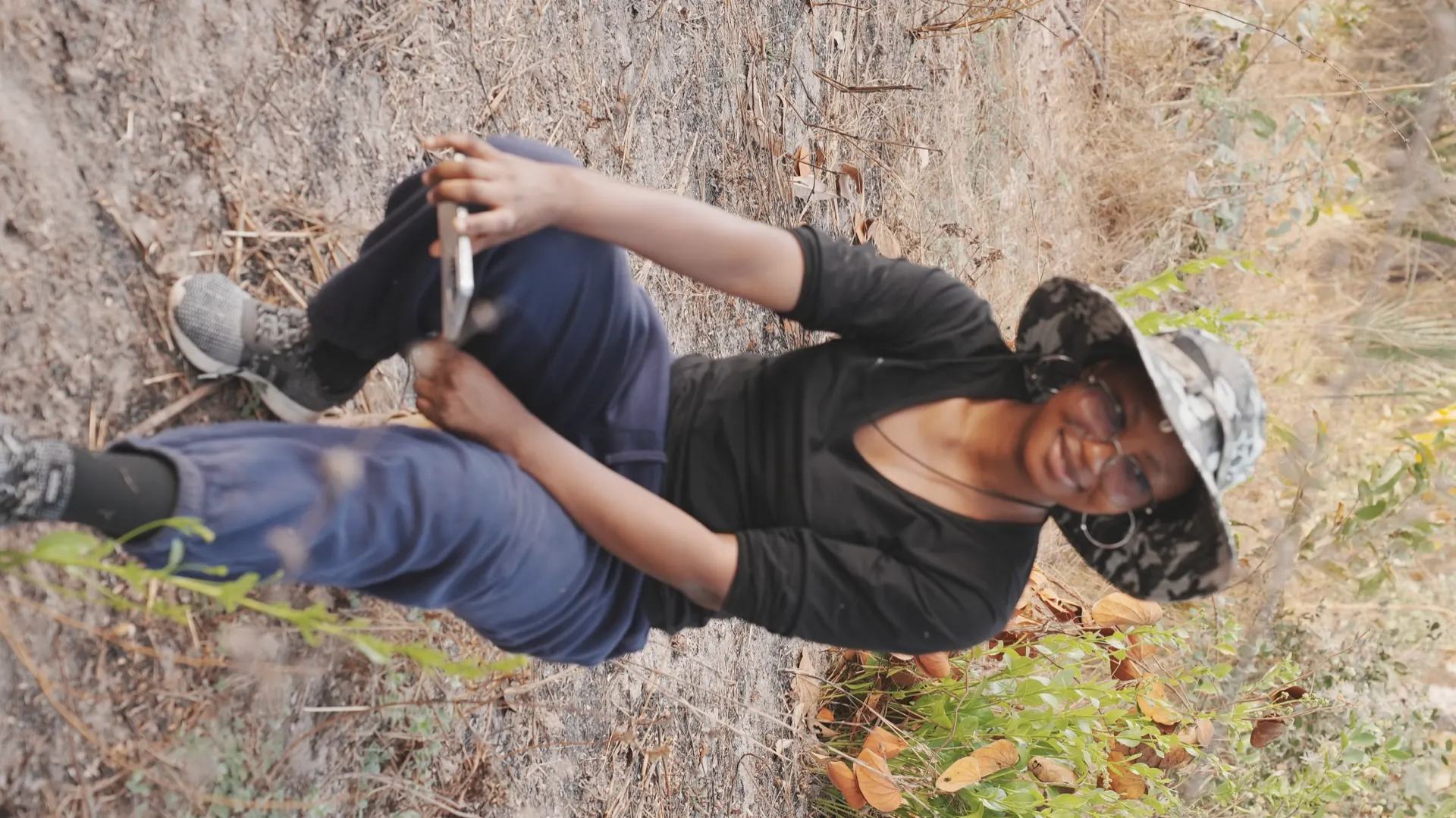
The Bignona department in Casamance rests on farming, fishing and livestock. Under climate and socio-economic pressure, agroecological initiatives are emerging there; identifying who acts, where and how is the purpose of this diagnostic.
This diagnostic, carried out in February 2024 by an ARTS team (IPAR, ENDA PRONAT, UNIB), rests on qualitative semi-structured interviews, focus groups and direct observations with initiative leaders. An agroecological initiative is defined collectively with the DyTAEL Bignona as "any activity of training, production, processing, marketing, transport, consumption, waste valorisation, governance or local knowledge valorisation that promotes sustainable agriculture, local consumption and the agroecological transition".
Thirty-eight initiatives were identified: Women's Promotion Groups (GPF), Economic Interest Groups (GIE), training schools, individual initiatives, associations, cooperatives. The resulting map cross-cuts territorial distribution, gender, value chains, SWOT, land tenure, practices and food habits.
Main writing: Anta Faye and Sidy Tounkara (IPAR). Contributor: Lise Hélène Landrin (UNIB).
38
Initiatives surveyed
13
Communes studied
71%
Men-led
29%
Women-led
3.49 ha
Average area
Cultivated area: 104.65 ha total · from 0.25 ha to 9 ha · plus two large forest zones (93 and 220 ha).
Territorial distribution
Thionck Essyl alone accounts for nearly a third of all surveyed initiatives, driven by strong community mobilisation and a network of 13 technical and 6 financial partners. At the other end of the spectrum, Kafountine, Koubalan, Sindian and Djibidione are under-supported.
Total: 37 initiatives
Thionck Essyl · 11 initiatives
Varied market gardening, fish farming, beekeeping, medicinal plants.
Kataba 1 · 4 initiatives
Market gardening, livestock (pigs, poultry), processing of forest fruits (madd, ditakh).
Diouloulou · 4 initiatives
Citrus processing (orange, mandarin, grapefruit), mango, millet, maize.
Tenghory · 4 initiatives
Market gardening and fruit production, processing capacity.
Ouonck · 3 initiatives
Fruit and forest crops (mango, cashew, madd, ditakh), livestock.
Oulampane · 2 initiatives
Market crops: hibiscus, tomato, bitter eggplant.
Value chain
Marketing and production dominate. Processing and training remain under-invested, although they determine where added value is created and skills are built.
92%
Marketing
Most widely invested in: large markets, on-farm sales, address books, cooperatives, local shops.
79%
Production
Market gardening (26 initiatives), rice, cereals, pulses, fruit trees (16), seed production.
45%
Training
Crucial for building local skills and autonomy - but the least represented link.
37%
Processing
Juices, jams, beeswax soaps, composite flours, local couscous. An advanced way to capture added value.
Triggering factors
The triggers are many and interconnected: economic autonomy, response to the Casamance crisis, putting training into practice, ecosystem protection, family solidarity.
Diversifying incomes, vegetable access, livestock/gardening integration, response to youth unemployment (notably via the COSPE Certitude Jeune project for repatriated migrants).
Response to the Casamance crisis (since 1982): initiatives like the AJAC Kalounaye GIE union restoring peace through community talks and small village gardens.
Putting into practice what was learned at the technical agricultural school and UASZ. Response to local problems (e.g. post-harvest losses of mango and madd).
Mangrove reforestation, fight against marine desertification, sustainable land management, sustainable oyster harvesting.
Family support, fight against rural exodus and emigration; widows farming plots left by their husbands; families settling youth through land development.
Impacts
Four dimensions stand out: food, incomes, communities, environment. The testimonies link these levels together.
On household food
On household incomes
On communities
On the environment
Practices
Composting, mulching, biopesticides, zaï pits, agroforestry: agroecological practices are applied unevenly across initiatives.
SWOT analysis
A strategic tool to assess the resilience of the local agroecological fabric and to design fit-for-context strategies.
Strengths
Weaknesses
Opportunities
Threats
Gender and land
Under-representation of women, patriarchal norms of land access, collective workaround strategies: a central issue in the diagnostic.
Of the 38 initiatives surveyed, only 11 are led by women (29%). More than half of these women (7) receive neither financial nor technical support.
82.86% of land is acquired by free means (inheritance, gifts, family intermediation). Buying land remains rare (17.14%), with a slight predominance of women - a sign of the economic and cultural constraints they face.
Testimony ID16: "The deliberation is made out to the landowner, usually a man. My father left us a lot of land but it cannot belong to me - it belongs to my younger brother, who can decide to lend me a plot, but it will never be in my name."
Women's Promotion Groups (GPF) are emerging as an effective workaround: collective municipal land allocations, stronger bargaining power, advocacy for land reform.
Food habits
The signature dishes - Kaldou, Etodjé, Fiteuf, Boulabé, Pépéssou, Pembem - all share rice as their common base. They are dressed with local vegetables (tomato, onion, hibiscus, pepper), palm oil, groundnut, lemon and fish, depending on the season. During the rainy season, when women market gardeners switch to rice and cashew harvest, vegetable shortages drive imports from the Niayes region.
Recommendations
Drawn from the diagnostic, these recommendations guide public policy and the action of technical and financial partners.
Target support towards processing and training - the least represented links - to capture more value and ease change.
Balance the spread of technical and financial partners across communes: Kafountine, Koubalan, Sindian and Djibidione are critically under-supported compared with Thionck Essyl or Diouloulou.
Roll out Integrated Water Resource Management (IWRM): rainwater harvesting, water point rehabilitation, community management.
Specifically support women initiative-leaders with financial and technical assistance, and advocate for inclusive land reform.
Strengthen community conventions for forest resource management (madd, ditakh, palm oil, baobab fruit) and extend management committees to communes without them.
Promote inclusive, transparent financial management: unilateral methods (28.5%) and the absence of a treasury (3.6%) should give way to self-managed funds.
Conclusion
The agroecological initiatives of the Bignona department face significant challenges and opportunities alike. The diversity of practices reflects a strong community commitment. But more work is needed to harmonise practices and natural-resource management strategies across the 13 communes. Strengthening rests on the harmonious integration of agroecological practices, efficient natural-resource management, and the consolidation of local initiatives backed by enabling public policy.
Team
Main authors
Contributor
Lise Hélène Landrin (UNIB)
Field team
To cite this document: ARTS CONSORTIUM, 2024, Diagnostic of Sustainable Food Systems in the Bignona Department. Mapping of agroecological initiatives, July 2024.
See also
These 38 initiatives feed the online atlas of agroecological initiatives. They also underpinned the artistic residency and DyTAEL advocacy in July 2025, and the Bignona 2045 territorial foresight.